
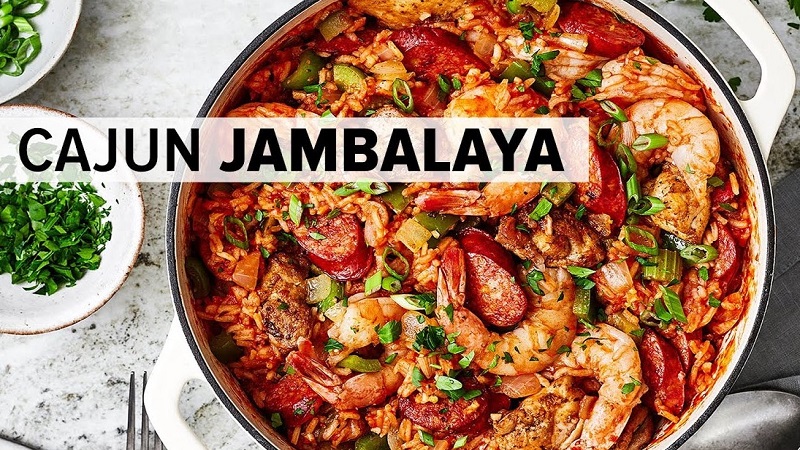
Jambalaya bursts with bold flavors, combining smoky sausage, tender chicken, fresh seafood, and a fragrant mix of spices and rice. Pairing the right sides elevates this classic dish, balancing its rich, hearty taste while adding texture and freshness.
Crisp salads, roasted vegetables, or lightly seasoned greens bring a refreshing contrast to the spiced rice. Cornbread, warm and slightly sweet, absorbs the flavorful juices perfectly, creating a comforting harmony on the plate. For a tangy twist, pickles or pickled vegetables cut through the richness and awaken the palate.
Drinks play an important role as well; sparkling water, light beer, or a citrusy cocktail complements the boldness without overpowering it. Small bites like shrimp skewers or stuffed peppers add variety, making the meal feel complete.
Exploring these combinations lets every dinner highlight the depth of jambalaya while offering a balanced, satisfying experience for friends and family alike.
What to Eat with Jambalaya?
Jambalaya is a traditional Louisiana dish that mixes rice, meat, seafood, and vegetables. Its flavors are bold, spicy, smoky, and rich.
A single plate of jambalaya can be filling on its own, but pairing it with the right sides, breads, salads, fruits, and drinks makes the meal complete.
Pairing is not just about taste. It is about balancing textures, controlling spice, and creating a visually appealing plate.
The best pairings complement jambalaya’s heat, enhance flavors, and make the meal healthier and more satisfying.
This guide provides detailed explanations of the best foods to serve with jambalaya.
Greens and Vegetables
Greens and vegetables add freshness, crunch, and essential nutrients to the meal. They reduce the heaviness of rice and meat while adding fiber and vitamins.
1. Collard Greens
Collard greens are slightly bitter and hearty. Slow cooking with smoked ham, bacon, or onions gives a smoky flavor that matches jambalaya’s spices.
-
Nutritional Value: One cup contains 63 calories, 11 grams of fiber, vitamin A, C, and K.
-
Texture & Flavor: Soft, tender leaves with a smoky taste. The slight bitterness balances rich meats.
-
Serving Tip: Cook greens lightly with a pinch of salt to preserve nutrients.
2. Green Beans
Green beans add a crunchy contrast to the soft rice in jambalaya. They are best lightly steamed or sautéed.
-
Nutritional Value: One cup has 31 calories, 2 grams of fiber, vitamin A, C, and calcium.
-
Flavor Pairing: Mild flavor absorbs a small amount of garlic, lemon, or butter. It balances the spicy, smoky rice.
3. Cabbage
Cabbage can be boiled, steamed, or lightly sautéed with garlic. It brings a sweet and crunchy note to the plate.
-
Nutritional Value: One cup contains 22 calories, 2 grams of fiber, vitamin C, and antioxidants.
-
Serving Tip: Sprinkle a tiny amount of vinegar or lemon juice to enhance flavor.
4. Bell Peppers and Okra
Bell peppers and okra are often part of jambalaya itself but serving them lightly cooked as a side adds freshness.
-
Flavor & Texture: Bell peppers are sweet and crunchy, okra is soft with a slight mucilaginous texture that thickens sauces.
-
Nutritional Value: Bell peppers have 24 calories per cup and vitamin C, okra has 33 calories per cup with fiber and folate.
Salads
Salads provide cooling freshness and color contrast, helping to balance spicy jambalaya.
1. Garden Salad
Mix lettuce, tomatoes, cucumber, carrots, and red onions. Dress lightly with lemon juice or olive oil.
-
Nutritional Value: One cup provides 15–25 calories, fiber, vitamins A, C, and minerals.
-
Texture & Flavor: Crunchy, crisp, slightly sweet vegetables refresh the palate.
2. Coleslaw
Coleslaw can be vinegar-based or creamy. It offers a tangy and crunchy side to soften spicy jambalaya.
-
Nutritional Value: One cup of vinegar coleslaw has 50 calories, creamy coleslaw can have 150–200 calories depending on dressing.
-
Serving Tip: Use light dressing to avoid making the meal too heavy.
3. Tomato and Onion Salad
Fresh, juicy tomatoes paired with thinly sliced onions, a dash of olive oil, and salt.
-
Flavor Pairing: Sweet tomatoes contrast smoky sausage or chicken in jambalaya.
-
Texture: Juicy and soft, balances soft rice grains.
Bread and Rolls
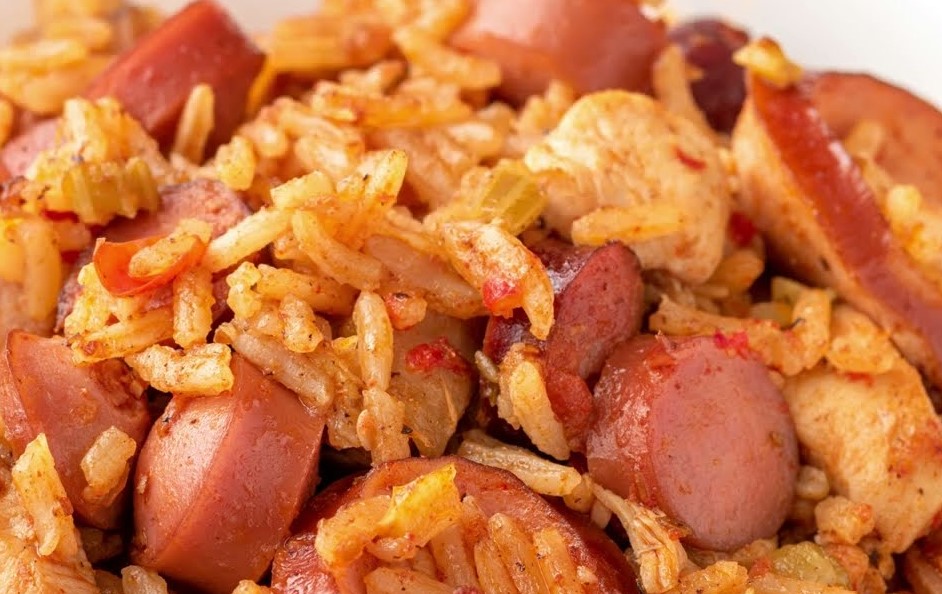
Bread absorbs sauce and provides a soft texture. It also balances spice.
1. French Bread
Crispy outside, soft inside. Perfect for dipping in spicy jambalaya sauce.
-
Serving Tip: Slice thick pieces for maximum dipping.
2. Cornbread
Slightly sweet, crumbly texture. The sweetness balances smoky and spicy flavors.
-
Nutritional Value: One medium slice has about 180 calories, 2 grams of fiber, and small protein content.
3. Dinner Rolls
Soft, warm, and mild in flavor. Easy to eat with spicy jambalaya.
-
Serving Tip: Brush with butter for extra richness.
Beans and Legumes
Beans increase protein and fiber. They reduce the feeling of heaviness while balancing spice.
1. Red Beans
Slow-cooked with garlic, onions, and a touch of smoked meat.
-
Nutritional Value: One cup has 225 calories, 15 grams of protein, 13 grams of fiber.
-
Flavor & Texture: Creamy and soft; mild taste balances spicy rice.
2. Black-Eyed Peas
Soft, earthy flavor. Adds protein and iron.
-
Serving Tip: Season lightly with garlic or onion.
3. Lentils
Cook with simple spices for an earthy taste. High in fiber and low in fat.
-
Nutritional Value: One cup has 230 calories, 18 grams of protein, 16 grams of fiber.
Fruits
Fruits bring sweetness to counteract spice. They are easy to digest and add vitamins.
-
Oranges: Juicy, sweet, and slightly acidic.
-
Pineapple or Mango: Tropical sweetness contrasts smoky jambalaya.
-
Simple Fruit Salad: Mix seasonal fruits for vitamin boost and refreshing taste.
-
Serving Tip: Serve chilled to help cool the mouth after spicy bites.
Drinks That Pair with Jambalaya
Drinks refresh the palate and reduce heat from spices.
-
Iced Tea: Sweet or unsweetened. Southern classic.
-
Lemonade: Tartness balances spicy, smoky flavors.
-
Beer: Light lagers or amber beers complement smoky meats.
-
Sparkling Water: Helps clear palate between bites.
-
Water: Neutral, essential with very spicy jambalaya.
Additional Tips for Perfect Pairing
-
Combine one vegetable, one salad, and one bread or legume for a balanced plate.
-
Keep side portions smaller; main focus should be jambalaya.
-
Mix textures: crunchy, soft, juicy. It improves eating experience.
-
Serve cold salads or fruits alongside hot jambalaya to balance temperature.
-
Add herbs like parsley or cilantro to sides to enhance aroma.
FAQs
1. Can I serve jambalaya with pasta?
Small pasta shapes like orzo work, but rice is traditional and absorbs flavors better.
2. Are potato dishes good with jambalaya?
Yes. Mashed, roasted, or baked potatoes pair well, especially with mild jambalaya.
3. Can jambalaya be vegetarian?
Yes. Replace meat with beans, lentils, vegetables, or tofu.
4. What dessert goes best after jambalaya?
Light desserts like fruit salad, pudding, or sponge cake work best. Heavy desserts can feel too much.
5. Can I serve jambalaya cold?
Traditionally served hot. Cold jambalaya loses flavor and rice texture may harden.
6. How many sides should I serve?
Two to three sides work best: one vegetable, one bread, and one salad or legume.
7. Can cheese be added?
Mild cheese like shredded cheddar can work. Strong cheese can overpower the main dish.
8. How to balance spice for kids or sensitive eaters?
Serve bread, cornbread, or yogurt-based side dishes to reduce heat. Fruits like mango or pineapple also help.
Conclusion
A well-paired meal with jambalaya combines spicy, smoky flavors with fresh, soft, crunchy, or sweet sides. Greens, salads, bread, beans, and fruits improve taste, texture, and nutrition. Drinks refresh the palate and control spiciness. Careful pairing creates a complete, colorful, and satisfying meal.