Recovering from oral surgery with stitches can feel challenging, especially when it comes to eating. Your mouth needs gentle care to prevent irritation and support healing. Certain foods provide nutrients, comfort, and ease while reducing the risk of damaging stitches or causing pain.
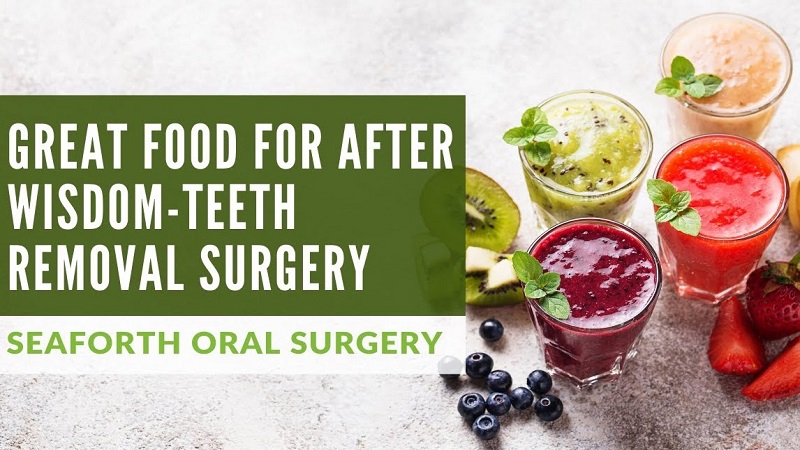
Soft, easy-to-chew meals like mashed potatoes, yogurt, and smoothies keep your diet balanced without putting stress on sensitive areas. Cold or room-temperature options can help soothe swelling and discomfort.
Hydration remains crucial, so soups, broths, and water-rich foods play an important role in recovery. Avoid hard, crunchy, or spicy foods that may disturb stitches or trigger bleeding. Planning meals thoughtfully not only supports faster healing but also keeps your energy up while your body repairs itself.
Small, frequent meals make eating manageable and prevent strain, keeping the recovery process smoother and more comfortable.
What to Eat After Oral Surgery with Stitches?
Oral surgery with stitches can make eating and drinking uncomfortable. The mouth is sore, and normal chewing can be painful. Choosing the right foods helps prevent irritation, reduces the risk of infection, and speeds up healing.
Soft, nutrient-rich foods supply energy and protein needed to repair tissue. Fluids keep the body hydrated, which is essential for recovery. This guide provides detailed food choices, meal tips, and practical advice for healing after oral surgery.
Foods Safe to Eat After Oral Surgery
1. Soft and Pureed Foods
Soft foods require little to no chewing and are gentle on stitches. These foods help prevent stitches from tearing or getting irritated.
-
Mashed Potatoes: High in carbohydrates for energy. Mash thoroughly and add milk or butter for smoothness. Avoid lumps that can catch on stitches.
-
Scrambled Eggs: Excellent source of protein, which supports tissue repair. Cook eggs until soft and slightly runny for easy swallowing.
-
Applesauce: Provides vitamins and natural sweetness. Choose smooth varieties to avoid chunks that may irritate stitches.
-
Oatmeal or Cream of Wheat: Rich in fiber and easy to swallow when fully cooked. Let it cool to lukewarm before eating.
-
Avocado: Soft, creamy, and packed with healthy fats that aid healing. Mash it until smooth.
2. Soups, Broths, and Purees
Liquid foods supply hydration, vitamins, and minerals without chewing.
-
Vegetable Broth: Provides minerals like potassium and magnesium. Avoid salty versions that may dry out the mouth.
-
Creamy Soups: Blended vegetable or chicken soups offer protein, vitamins, and antioxidants. Strain or blend to remove chunks.
-
Bone Broth: Rich in collagen and amino acids, which support tissue repair and reduce inflammation. Drink warm, not hot.
3. Smoothies and Milkshakes
Blended drinks are high in calories and nutrients. They can replace meals when chewing is difficult.
-
Fruit Smoothies: Use soft fruits like banana, mango, or berries. Blend until smooth. Avoid seeds or nuts that can get stuck in stitches.
-
Protein Shakes: Provide extra protein for tissue repair. Choose low-sugar options to avoid inflammation.
-
Yogurt Smoothies: Combine yogurt with soft fruits for probiotics that support gut health and immunity.
4. Soft Proteins and Dairy
Protein is vital for healing, as it rebuilds tissue and supports the immune system.
-
Cottage Cheese: Mild, soft, and high in protein. Eat plain or blended for smoother texture.
-
Soft Tofu: Gentle on stitches and a complete plant protein. Add it to soups or mash it with seasoning.
-
Milk or Fortified Plant Milk: Supplies protein, calcium, and vitamin D. Drink lukewarm for comfort.
5. Gelatin, Puddings, and Soft Desserts
These foods are gentle on the mouth, provide calories, and prevent hunger.
-
Gelatin Desserts: Easy to swallow and soothing for sore gums.
-
Rice Pudding or Custard: Soft and filling. Nutrients depend on milk content. Blend for smoother texture if needed.
Foods to Avoid After Oral Surgery
-
Crunchy Foods: Chips, nuts, raw carrots, or granola can tear stitches.
-
Sticky Foods: Caramel, taffy, and gum can pull stitches or get stuck.
-
Spicy or Acidic Foods: Chili, citrus, or tomato-based sauces irritate tissue.
-
Hot Foods and Drinks: Can increase swelling and discomfort.
-
Alcohol and Carbonated Drinks: Slow healing and can irritate the mouth.
Nutritional Considerations for Healing
Healing requires energy, protein, vitamins, and minerals. Here’s how different nutrients help:
-
Protein: Eggs, yogurt, cottage cheese, tofu, and bone broth help repair tissue. Aim for at least 1–1.5 grams per kilogram of body weight daily.
-
Vitamin C: Soft fruits like mashed berries or blended oranges support collagen formation, which strengthens tissue.
-
Zinc: Found in dairy, soft meats, and legumes. Supports immunity and wound healing.
-
Healthy Fats: Avocado or yogurt provide omega-3 and monounsaturated fats to reduce inflammation.
-
Hydration: Water, broths, and smoothies prevent dry mouth, which aids comfort and healing.
Practical Eating Tips After Surgery
-
Eat small meals every 2–3 hours instead of large meals.
-
Use a blender or food processor to make food smooth and easy to swallow.
-
Chew away from stitches if needed.
-
Avoid straws because suction can dislodge stitches or blood clots.
-
Allow food and drinks to cool to room temperature. Extreme temperatures can cause pain.
-
Rinse mouth gently after meals to remove food debris but avoid strong swishing.
Sample 1-Day Meal Plan
Breakfast: Mashed banana with yogurt and a little honey.
Snack: Smooth fruit smoothie with milk or plant-based milk.
Lunch: Creamy blended vegetable soup with soft tofu.
Snack: Applesauce or pudding.
Dinner: Mashed potatoes with soft scrambled eggs.
Before Bed: Warm milk or a protein shake.
This plan provides protein, vitamins, and calories while protecting stitches. Meals can be repeated or adjusted for variety.
FAQs
Q: How long should I stick to soft foods?
A: Usually 5–10 days. Healing speed depends on the type of surgery and your body. Avoid hard foods until the dentist says stitches are safe.
Q: Can I drink hot tea or coffee?
A: Hot drinks can irritate tissue. Drink lukewarm or cold beverages instead.
Q: Can I chew gum or candy?
A: Avoid sticky foods. They can pull stitches or get stuck, increasing infection risk.
Q: How do I prevent swelling while eating?
A: Eat soft, cool or room-temperature foods. Drink plenty of fluids and avoid salty or spicy foods.
Q: Are smoothies enough for meals?
A: Smoothies can replace meals temporarily if blended with protein, milk, or yogurt. Include variety for vitamins and minerals.
Conclusion
Healing after oral surgery with stitches requires patience, proper nutrition, and careful eating. Soft, nutrient-rich foods protect stitches and provide energy for recovery.
Avoid hard, hot, or sticky foods until your mouth fully heals. Focus on protein, vitamins, healthy fats, and hydration. Following these tips reduces pain, prevents complications, and supports faster healing.