
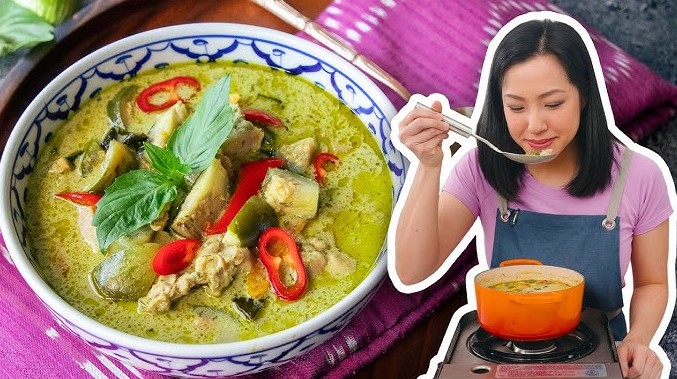
Thai curry bursts with bold flavors, blending spicy, sweet, and savory notes that excite the taste buds. A rich coconut base, fragrant herbs, and vibrant spices make it a standout dish on any table.
Pairing the right foods with Thai curry enhances its taste and balances the heat, creating a meal that feels both satisfying and harmonious. Steamed jasmine rice absorbs the curry’s sauce perfectly, while sticky rice adds a fun, chewy texture.
Fresh vegetables like bell peppers, snap peas, and carrots introduce a crisp freshness that cuts through the richness. Protein options, from tender chicken to succulent shrimp or tofu, complete the dish with heartiness.
Naan, flatbreads, or light salads can accompany curry to add variety and contrast. Experimenting with textures and flavors allows every bite to feel exciting, making Thai curry a meal that never gets boring and always leaves a lasting impression.
What to Eat with Thai Curry?
Thai curry is one of the most flavorful dishes in the world. It is a mix of spicy, sweet, salty, and creamy tastes. Eating it alone can feel too strong. Pairing it with the right foods makes the meal balanced and enjoyable.
Rice, noodles, vegetables, and protein can help. Drinks and small side dishes make the meal complete. Each type of Thai curry red, green, yellow, or panang has different flavors. Choosing the right companion food brings out the best taste.
Best Rice Options with Thai Curry
Rice is the most common food to eat with Thai curry. It helps balance the spiciness and absorbs the sauce.
Jasmine Rice
Jasmine rice is soft, slightly sweet, and fragrant. It works well with almost every Thai curry, especially green and red curry. Cooking jasmine rice perfectly fluffy and not sticky is important. Serve it hot with curry on top or on the side.
Sticky Rice
Sticky rice is thicker and more chewy. It is perfect for thick or creamy curries, like massaman curry. You can eat it with your fingers. Sticky rice is common in northern and northeastern Thai cuisine.
Brown Rice
Brown rice is healthier because it has more fiber. Its nutty taste goes well with light curries or vegetable-based curry. Brown rice cooks slower than white rice but adds a firm texture. It is a great choice for a filling meal.
Tips for Rice
-
Keep rice hot when serving curry.
-
Spoon curry on top or serve on the side.
-
For extra flavor, add a few fresh herbs like cilantro or basil.
Noodles That Pair Well
Noodles are another option to eat with Thai curry. They are lighter than rice and add variety.
Rice Noodles
Rice noodles are soft and absorb curry sauce well. Wide noodles go best with thick curries, while thin noodles are good with lighter curry soups.
Egg Noodles
Egg noodles have a firmer texture and a mild taste. They pair nicely with red or yellow curry. They hold the sauce without becoming too soft.
Glass Noodles
Glass noodles are thin, transparent, and slippery. They work perfectly with green curry or seafood curry. They make the dish light and easy to eat.
Tips for Noodles
-
Cook noodles just until soft; don’t overcook.
-
Mix noodles and curry just before eating.
-
Add vegetables or protein to make it a complete meal.
Vegetables That Go Well
Vegetables make Thai curry meals balanced and healthy. They can cool the spiciness and add crunch.
Fresh Vegetables
Cucumber, carrot sticks, or bell peppers work as a fresh side. Their cool and crisp texture balances the hot curry.
Stir-Fried Vegetables
Quick stir-fried broccoli, baby corn, green beans, or snow peas add texture. Toss them in a little garlic and soy sauce, then serve with curry.
Leafy Greens
Spinach, bok choy, or kale absorb curry flavor. Add them at the last minute to keep them slightly crunchy. Leafy greens make meals healthier and more filling.
Tips for Vegetables
-
Use seasonal vegetables for freshness.
-
Mix raw and cooked vegetables for different textures.
-
Lightly season vegetables to avoid overpowering the curry.
Protein Options
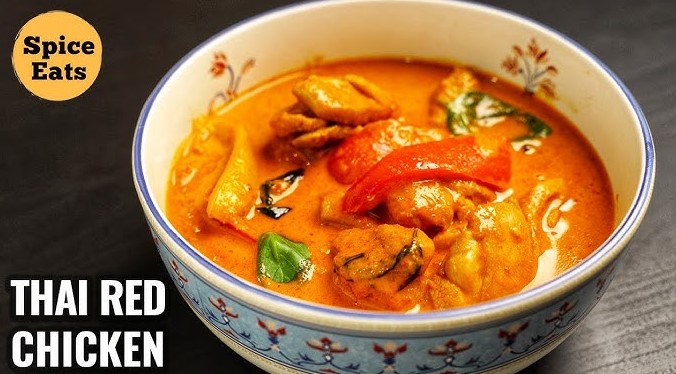
Protein helps make Thai curry a full meal. Choose meat, seafood, or plant-based options.
Chicken or Beef
Grilled or stir-fried chicken and beef are popular. They absorb curry sauce and add a rich taste. Cut meat into bite-sized pieces for easy eating.
Seafood
Shrimp, fish, squid, and scallops match coconut-based curries. They are light and slightly sweet. Cook seafood quickly to keep it tender.
Tofu
Tofu is soft and neutral. It absorbs the curry flavors. Use firm tofu for stir-frying or soft tofu in soups. A vegetarian-friendly choice.
Tips for Protein
-
Cook meat or seafood before adding curry to avoid overcooking.
-
Marinate chicken or beef lightly for extra flavor.
-
Mix different proteins for variety.
Snacks and Side Dishes
Small side dishes make Thai curry meals more exciting.
Spring Rolls
Spring rolls are crispy and light. They add texture and contrast to creamy curry. Serve with a simple dipping sauce.
Thai Salad
Papaya salad, cucumber salad, or green mango salad adds freshness. Their sour taste balances spicy curry.
Pickled Vegetables
Pickles, like pickled carrots or radish, add sourness. They refresh the palate between spicy bites.
Tips for Side Dishes
-
Keep side dishes small so curry stays the main focus.
-
Mix textures: crispy, soft, and juicy.
-
Light seasoning works best to avoid overpowering curry.
Drinks to Pair with Thai Curry
Drinks help balance heat and flavor.
Coconut Water
Coconut water is cooling and slightly sweet. Works well with spicy curry.
Iced Tea
Sweet iced tea refreshes the mouth after spicy bites. It is easy to drink with curry.
Light Beer
A light beer softens strong curry flavors. Best choice for adults.
Tips for Drinks
-
Serve cold drinks to cool spicy food.
-
Avoid heavy drinks that clash with curry flavors.
-
A small amount of sweetness balances heat.
Final Thoughts
Thai curry can be spicy, sweet, or creamy. Pairing it with the right foods makes the meal complete. Rice or noodles absorb the sauce. Vegetables and protein add balance.
Side dishes and drinks make it more enjoyable. Mixing flavors, textures, and temperatures creates a satisfying meal. Experiment with different combinations to find your favorite. A simple meal can taste amazing with the right choices.
FAQs
1. Which rice goes best with Thai curry?
Jasmine rice is most popular, but sticky or brown rice also works.
2. Can I eat Thai curry with noodles?
Yes. Rice noodles, egg noodles, and glass noodles pair nicely with different curries.
3. What vegetables go well with Thai curry?
Cucumber, bell peppers, spinach, broccoli, and bok choy are good options.
4. Which protein matches Thai curry?
Chicken, beef, shrimp, fish, squid, and tofu work well depending on curry type.
5. What drinks complement Thai curry?
Coconut water, iced tea, and light beer balance the spice and flavor.
6. Can I mix side dishes with curry?
Yes. Fresh vegetables, salads, or spring rolls add texture and freshness.