

Scallops bring a delicate, sweet flavor that shines best with the right accompaniments. Light, fresh sides enhance their natural taste, while richer ingredients add depth to every bite. Vegetables like asparagus, peas, or roasted cherry tomatoes complement the tender texture without overpowering it.
Creamy risottos or buttery mashed potatoes offer a comforting balance, letting the scallops remain the star of the plate. Bright flavors from citrus, fresh herbs, or a drizzle of balsamic glaze add a refreshing contrast that elevates the dish.
Wine pairings, such as crisp white or sparkling varieties, also highlight the subtle sweetness and texture of scallops. Choosing complementary textures, colors, and flavors can turn a simple scallop dinner into a gourmet experience.
Small tweaks in seasoning or side choices make each meal feel unique, keeping your scallop dishes exciting and satisfying every time.
What to Eat with Scallops?
Scallops are a type of shellfish with a tender, sweet, and slightly nutty flavor. They cook very quickly, usually in just 2–3 minutes per side, making them perfect for fast meals.
Scallops pair well with foods that balance their delicate taste without hiding it. Pairing the right sides, sauces, and drinks can turn a simple dish into a restaurant-quality meal.
Scallops are also nutritious. They are high in protein, low in fat, and rich in minerals like magnesium, potassium, and selenium. Eating them with vegetables or whole grains makes a healthy, balanced plate.
Best Sides for Scallops
1. Vegetables
Vegetables add freshness, color, and texture to scallops. The goal is to use vegetables that are mild or slightly sweet, not strong or bitter.
-
Asparagus: Grilled or roasted asparagus has a slightly bitter and earthy flavor that contrasts scallops’ sweetness. Cooking time should be 5–7 minutes to keep crunch.
-
Spinach: Lightly sautéed spinach adds a soft texture and mild flavor. A little garlic enhances taste without overpowering the scallops.
-
Peas: Sweet peas match the natural sweetness of scallops. Boil or steam for 3–4 minutes to keep the bright green color.
-
Bell peppers: Red or yellow bell peppers give color and a mild sweetness. Roast them lightly for a smoky flavor.
-
Zucchini: Sautéed or grilled zucchini adds moisture and mild flavor. Slice thinly to cook evenly.
Tip: Combine two or more vegetables for a mix of textures—crunchy, soft, and slightly chewy.
2. Starches
Starches make scallops more filling and add balance to the soft, tender seafood.
-
Rice: White rice, jasmine rice, or risotto works well. Lemon risotto is especially popular because the acidity balances the sweetness of scallops.
-
Potatoes: Mashed potatoes, baked, or roasted potatoes are excellent. Roasted potatoes with olive oil and herbs give a crispy texture.
-
Pasta: Light pasta tossed in olive oil, garlic, or a mild cream sauce pairs perfectly. Avoid heavy sauces that overpower scallops.
-
Quinoa: Quinoa is high in protein and adds a nutty flavor. Cook it with broth for extra taste.
Science behind pairing: Starches absorb sauces and juices from scallops, making each bite flavorful. They also slow digestion, making the meal more satisfying.
3. Salads
Fresh salads add crunch and freshness to scallops. Acidic dressings help cut richness and refresh the palate.
-
Mixed greens: Lettuce, arugula, or watercress with olive oil and lemon adds lightness.
-
Tomato salad: Juicy tomatoes with a little salt and herbs brighten the plate.
-
Cucumber salad: Cool, crisp cucumbers balance the warm, soft scallops.
-
Avocado salad: Creamy avocado gives healthy fats and soft texture.
Tip: Use light, simple dressings. Heavy or creamy dressings compete with scallops’ flavor.
Best Sauces for Scallops
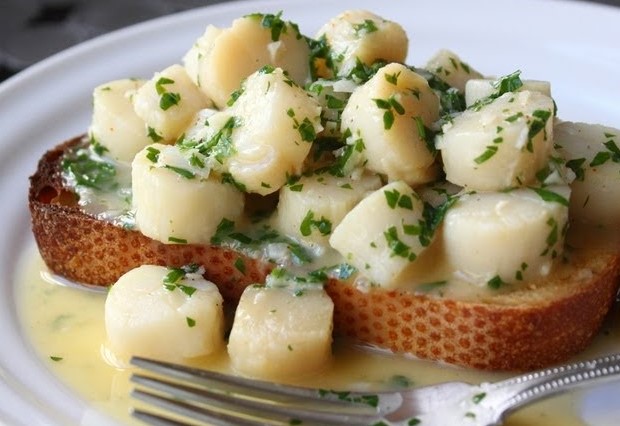
1. Lemon Butter Sauce
Butter adds richness. Lemon adds acidity to cut the fat. Melt butter on low heat, add fresh lemon juice, and a little salt. Drizzle over scallops after searing.
2. Garlic Cream Sauce
Cook cream with minced garlic, a splash of white wine, and a pinch of salt. The creaminess matches the tender scallops, and garlic adds aroma.
3. Herb Sauce
Mix chopped fresh herbs like parsley, chives, dill, and basil with olive oil and lemon juice. Herbs give a fresh, light flavor that enhances scallops without covering them.
4. Tomato-Based Sauce
A light tomato sauce with olive oil and fresh herbs works well, especially for pasta dishes. It adds acidity and sweetness to balance scallops.
Flavor note: Scallops have a high sugar content, which caramelizes quickly when seared. Light sauces enhance this flavor rather than hiding it.
Drinks to Pair with Scallops
-
White wine: Dry white wines like Sauvignon Blanc, Pinot Grigio, or Chardonnay match scallops’ sweetness. Wines with citrus or green apple notes enhance flavor.
-
Sparkling water or soda water: Helps cleanse the palate between bites.
-
Light beer: Mild lagers or pilsners work better than strong, dark beers. They complement without overpowering.
-
Non-alcoholic options: Fresh lemonade, iced tea, or cucumber water pairs well. Acidic or light drinks enhance flavor and refresh the palate.
Cooking and Serving Tips
-
Cook scallops quickly over medium-high heat. Sear for 2–3 minutes per side until golden brown. Overcooking makes them rubbery.
-
Serve immediately after cooking. Scallops lose flavor if kept warm too long.
-
Garnish with fresh herbs, microgreens, or lemon wedges for visual appeal.
-
Keep the plate simple. Use 1–2 vegetables, 1 starch, and a small amount of sauce to let scallops shine.
-
Avoid strong spices like curry or chili unless you want bold fusion flavors.
Texture tip: Searing scallops forms a Maillard crust. This caramelized outer layer adds crunch and enhances sweetness. Serve it with a soft starch and tender vegetable for contrast.
FAQs
Q1: Are scallops healthy?
Yes. Scallops are low in calories, high in protein, and rich in minerals like magnesium, potassium, and selenium.
Q2: Can scallops be eaten raw?
Only very fresh, sushi-grade scallops are safe raw. Keep them cold and clean.
Q3: How to know scallops are cooked perfectly?
They should have a golden crust outside and be tender, slightly translucent inside. Overcooking makes them rubbery.
Q4: Can I freeze scallops?
Yes. Freeze in a sealed bag. Thaw slowly in the fridge to keep flavor and texture.
Q5: What foods clash with scallops?
Strong-flavored foods like cabbage, brussels sprouts, or spicy sauces can overpower the delicate taste of scallops.
Conclusion
Scallops taste best with simple, light, and balanced sides. Vegetables add color and texture. Starches make the meal filling. Fresh salads and light sauces enhance flavor without overpowering.
Pair with white wine, sparkling water, or mild drinks for the best experience. Serving scallops hot and fresh with carefully chosen sides makes every bite flavorful, tender, and enjoyable.