
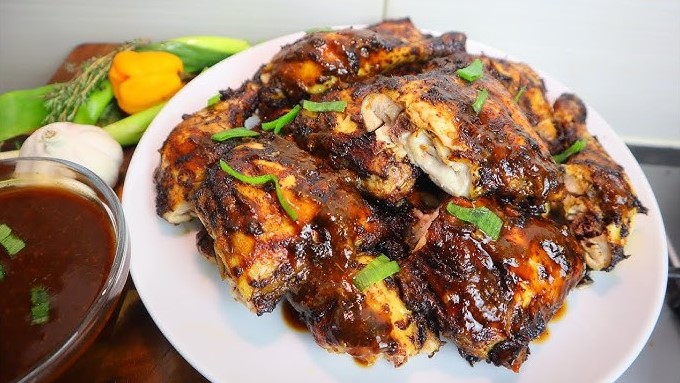
Jerk chicken bursts with bold, spicy, and smoky flavors that demand equally exciting sides. A simple salad might feel ordinary, but the right accompaniments turn a meal into a culinary adventure. Rice and peas provide a classic Caribbean touch, soaking up the heat while balancing each bite.
Sweet plantains offer a natural contrast to the spice, adding caramelized softness to every mouthful. Roasted vegetables or a crisp coleslaw bring freshness and texture, cutting through the richness of the chicken.
Cornbread or warm flatbreads act as perfect vehicles to savor every last bit of sauce. Tropical fruits like mango or pineapple introduce a juicy sweetness that complements the heat without overpowering it.
Flavor combinations matter, and small tweaks can make each meal feel unique. Exploring side dishes unlocks the full potential of jerk chicken, turning a simple dinner into a memorable experience filled with taste, aroma, and color.
What to Eat with Jerk Chicken?
Jerk chicken is a spicy, smoky dish from Jamaica. It gets its flavor from a special blend of spices, including allspice, thyme, garlic, and Scotch bonnet peppers.
The heat is strong, and the smoky flavor is bold. Pairing jerk chicken with the right foods can balance the spice and create a complete meal.
A good combination includes starches, vegetables, fruits, and mild sides. These add flavor, texture, and nutrition. Understanding why each food works makes meals more enjoyable.
Classic Side Dishes for Jerk Chicken
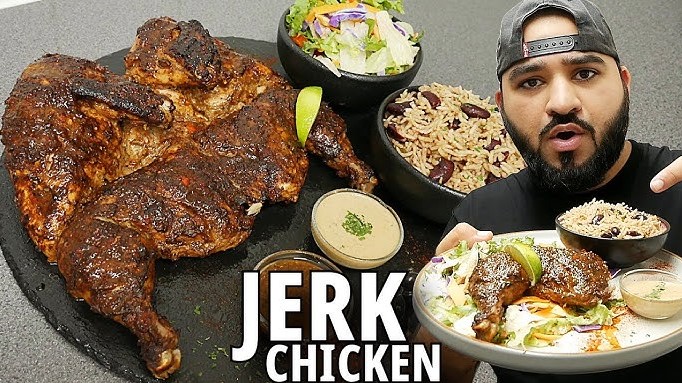
Rice and Peas
Rice and peas is a staple in Jamaican meals. It uses kidney beans or pigeon peas, coconut milk, scallions, and thyme.
-
Why it works: The coconut milk adds creaminess that softens the heat of jerk chicken. Beans add protein and fiber, making the meal filling.
-
Nutrition: A cup of rice and peas has around 200–250 calories, 6–8g protein, 5–7g fiber, and some healthy fats from coconut milk.
-
Cooking tip: Use long-grain rice and cook slowly with coconut milk. Add thyme and scallions for aroma.
Fried Plantains
Plantains are larger, starchier relatives of bananas. Frying them brings out their natural sweetness.
-
Why it works: Sweetness balances the spicy chicken. Soft texture inside and slight crisp outside create contrast.
-
Nutrition: One medium plantain has about 220 calories, 2g protein, 6g fiber, and 31g carbs. It also provides potassium and vitamin C.
-
Cooking tip: Use ripe yellow plantains. Fry in medium heat to prevent burning while keeping the inside soft.
Festival Bread
Festival is a sweet Jamaican fried dough. It has cornmeal, flour, sugar, and milk.
-
Why it works: Crunchy outside and soft inside create texture contrast. Sweet flavor complements the smoky spice.
-
Nutrition: One piece has about 150–200 calories. Mostly carbs, with small amounts of protein and fat.
-
Cooking tip: Serve fresh. Shape small logs for even cooking. Fry until golden brown.
Vegetables and Salads
Coleslaw
Coleslaw is made from shredded cabbage, carrots, and sometimes bell peppers. Dressing is usually light mayonnaise or yogurt-based.
-
Why it works: Creamy, cool coleslaw helps reduce the heat from jerk chicken. It adds freshness and crunch.
-
Nutrition: Half a cup has about 100 calories, 2g protein, 2g fiber, and vitamins A and C.
-
Cooking tip: Add a small amount of lime juice to enhance tanginess. Keep it chilled until serving.
Steamed or Roasted Vegetables
Vegetables like broccoli, carrots, zucchini, and bell peppers are perfect with jerk chicken.
-
Why it works: They lighten the meal and add vitamins. Mild flavors do not compete with chicken’s spice.
-
Nutrition: One cup of steamed vegetables has 50–80 calories, 3–5g fiber, and vitamins like A, C, and K.
-
Cooking tip: Steam for 5–10 minutes or roast at 400°F for 15–20 minutes with a touch of olive oil and salt.
Mango Salsa
Mango salsa combines diced mango, red bell pepper, red onion, and lime juice. Optional cilantro adds aroma.
-
Why it works: Sweet, juicy, and tangy flavors cool the mouth from heat and complement smoky spices.
-
Nutrition: Half a cup has about 50–60 calories, high vitamin C, and fiber.
-
Cooking tip: Use ripe, firm mangoes. Prepare just before serving to keep freshness.
Starches and Carbs
Mashed Potatoes
Mashed potatoes provide comfort and creaminess. Butter and milk make them soft.
-
Why it works: Smooth texture absorbs spicy sauce. Soft taste balances strong jerk flavor.
-
Nutrition: One cup has about 210 calories, 4g protein, 35g carbs, and 5g fat (with butter and milk).
-
Cooking tip: Mash with a potato masher, not a blender. Over-blending makes them gluey.
Sweet Potato Fries
Sweet potato fries add both sweetness and crunch.
-
Why it works: Sweet flavor softens the spice. Crispy edges make each bite interesting.
-
Nutrition: One medium sweet potato has 100–120 calories, 2g fiber, and vitamin A. Baking reduces fat compared to deep frying.
-
Cooking tip: Slice evenly. Bake at 425°F for 20–25 minutes with a light brush of oil.
Cornbread
Cornbread adds a mild, sweet flavor and soft texture.
-
Why it works: Sweetness balances spicy heat. Soft inside and lightly crisp outside create a texture contrast.
-
Nutrition: One slice has around 180 calories, mostly carbs, small protein, and fat.
-
Cooking tip: Serve warm. Add a small amount of sugar for mild sweetness.
Extra Flavors and Additions
Pineapple Slices
Fresh pineapple adds juicy sweetness. It cools the palate after spicy bites.
-
Nutrition: One cup diced pineapple has 80 calories, vitamin C, and fiber.
Hot Sauces
Serve on the side. Each person can adjust heat to taste.
-
Nutrition: Very low calories. Adds flavor without changing meal balance.
Pickled Vegetables
Pickled carrots, cucumbers, or onions add tangy and crunchy notes.
-
Why it works: Tangy flavor contrasts smoky spice. Crunch adds texture.
Tips for Balancing Flavors
-
Sweet sides reduce the perception of heat. Plantains, sweet potatoes, pineapple, and festival bread are ideal.
-
Creamy sides like mashed potatoes or coleslaw calm strong flavors.
-
Mild starches like rice, cornbread, or pasta absorb sauce and spice.
-
Fresh vegetables and fruits provide vitamins and freshness.
FAQs
1. Can I eat jerk chicken with noodles or pasta?
Yes. Use light butter or olive oil sauces. Avoid heavy tomato sauces that overpower the chicken.
2. Is rice and peas better than plain rice?
Rice and peas adds flavor, creaminess, and protein. Plain rice is fine but less flavorful.
3. Can I make sides ahead of time?
Yes. Rice, coleslaw, and pickles can be prepared in advance. Fry plantains or festival fresh before serving.
4. What drinks go well with jerk chicken?
Cold drinks like lemonade, fruit juice, iced tea, or coconut water balance heat.
5. Can I eat jerk chicken with bread or sandwiches?
Yes. Festival or soft bread can make sandwiches. Add mango salsa or coleslaw for taste.
Conclusion
Pairing foods with jerk chicken creates a balanced and tasty meal. Sweet, creamy, and mild sides reduce the strong spice. Fresh vegetables, fruits, and tangy additions add color and flavor.
Classic Jamaican sides like rice and peas, fried plantains, and festival bread remain the most popular. Starches like mashed potatoes or cornbread add comfort.
Extras like pineapple or pickles enhance every bite. A mix of flavors, textures, and temperatures makes jerk chicken more enjoyable for everyone.